
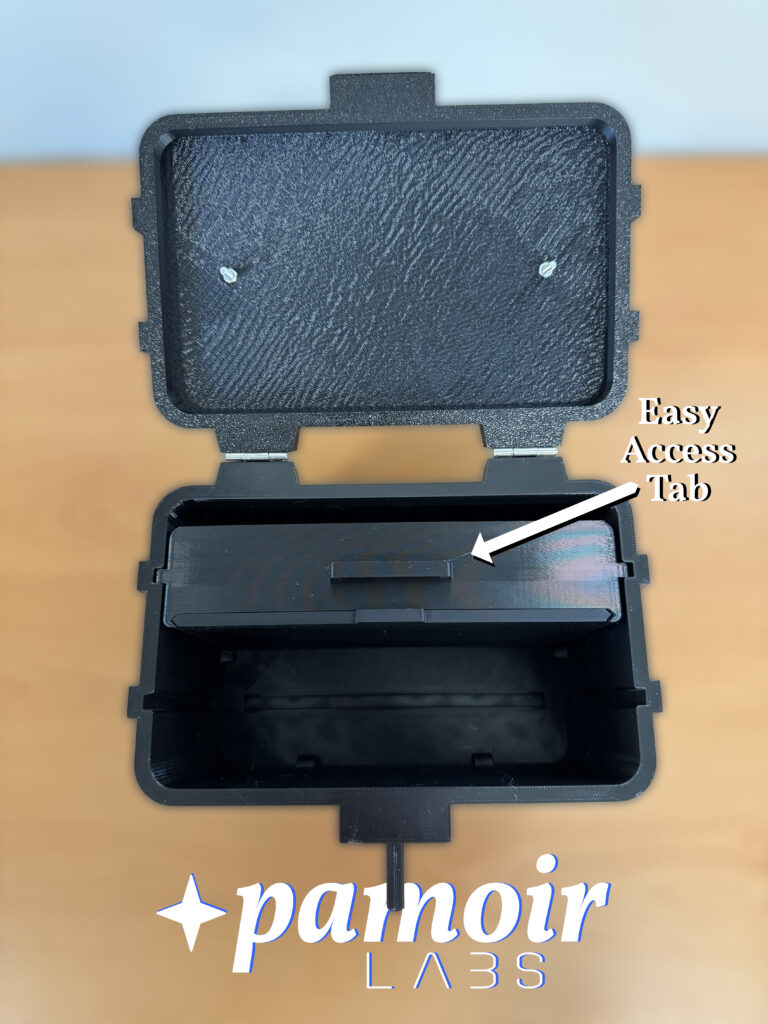
When creating a prototype, choosing the right material can make the difference between a flimsy sample and a functional test-ready product. With today’s technology, there are dozens of 3D printing materials available – each with unique strengths, weaknesses, and applications. If you are developing your first product, it is important to understand the options so you can select the material that best fits your needs.
This guide breaks down the most common 3D printing materials and explains when to use each one.
Why Choosing the Right 3D Printing Material Matters
The material you select impacts more than just the look of your prototype. It affects:
Durability – Will it hold up under stress or break easily?
Flexibility – Do you need it to bend, stretch, or stay rigid?
Cost – Is it affordable enough for multiple test iterations?
Functionality – Can you actually test it under real-world conditions?
By matching the material to your prototype’s purpose, you can save time, reduce costs, and get more accurate results during testing.
Common 3D Printing Materials for Prototypes
PLA (Polylactic Acid)
PLA is one of the most popular 3D printing materials because it is easy to print, affordable, and eco-friendly. It works well for visual prototypes or early design samples that don’t require high strength.
Best for: Low-cost concept models, visual designs, early-stage testing.
ABS (Acrylonitrile Butadiene Styrene)
ABS is tougher and more heat-resistant than PLA, making it a better choice for functional prototypes. It is commonly used in automotive parts, enclosures, and consumer products.
Best for: Stronger prototypes, products exposed to heat, functional testing.
PETG (Polyethylene Terephthalate Glycol)
PETG combines the ease of PLA with the durability of ABS. It is strong, impact-resistant, and food-safe when printed correctly. It is also less brittle, making it great for parts that need to bend slightly without breaking.
Best for: Functional prototypes, food-safe applications, impact-resistant parts.
TPU (Thermoplastic Polyurethane)
TPU is a flexible, rubber-like material that can bend, stretch, and compress. It is commonly used for phone cases, gaskets, seals, or any product that requires elasticity.
Best for: Flexible prototypes, wearables, grips, and shock-absorbing parts.
Nylon
Nylon is known for its strength, durability, and wear resistance. It is more advanced to print with but produces parts that are closer to final-use quality.
Best for: High-strength prototypes, mechanical parts, hinges, and end-use testing.
Carbon Fiber Filament
Carbon fiber filament is a composite material made by blending polymers like Nylon or PETG with fine carbon fiber strands. The result is a material that is lightweight yet incredibly strong and stiff. Prototypes printed with carbon fiber filament feel close to production-grade parts, making it an excellent choice for industries like aerospace, automotive, and robotics.
Best for: High-performance prototypes, lightweight structural parts, aerospace and automotive applications.
How to Choose the Right Material for Your Prototype
When deciding which 3D printing material to use, ask yourself:
Is this a visual or functional prototype? (PLA for looks, PETG/ABS for function, TPU for flexibility)
What conditions will it be tested under? (Heat, stress, impact, flexibility)
Do I need lightweight but strong parts? (Carbon fiber for advanced applications)
How many iterations do I need? (PLA for fast, affordable testing – stronger materials for final versions)
How PAMOIR Helps You Choose and Print the Right Material
At PAMOIR, we don’t just design your product – we help you select the right 3D printing material to match your prototype’s purpose. Whether you need a simple PLA concept model or a carbon fiber composite prototype for high-performance testing, we guide you every step of the way.
You focus on the idea – we handle the technical details to make sure your prototype is realistic, functional, and ready for testing.
Ready to Build Your Prototype?
Choosing the right 3D printing material is the first step in creating a prototype that works. With PAMOIR, you get expert guidance, professional design, and high-quality 3D prints tailored to your needs.
👉 Book a free consultation today and let’s bring your idea to life with the right material.