
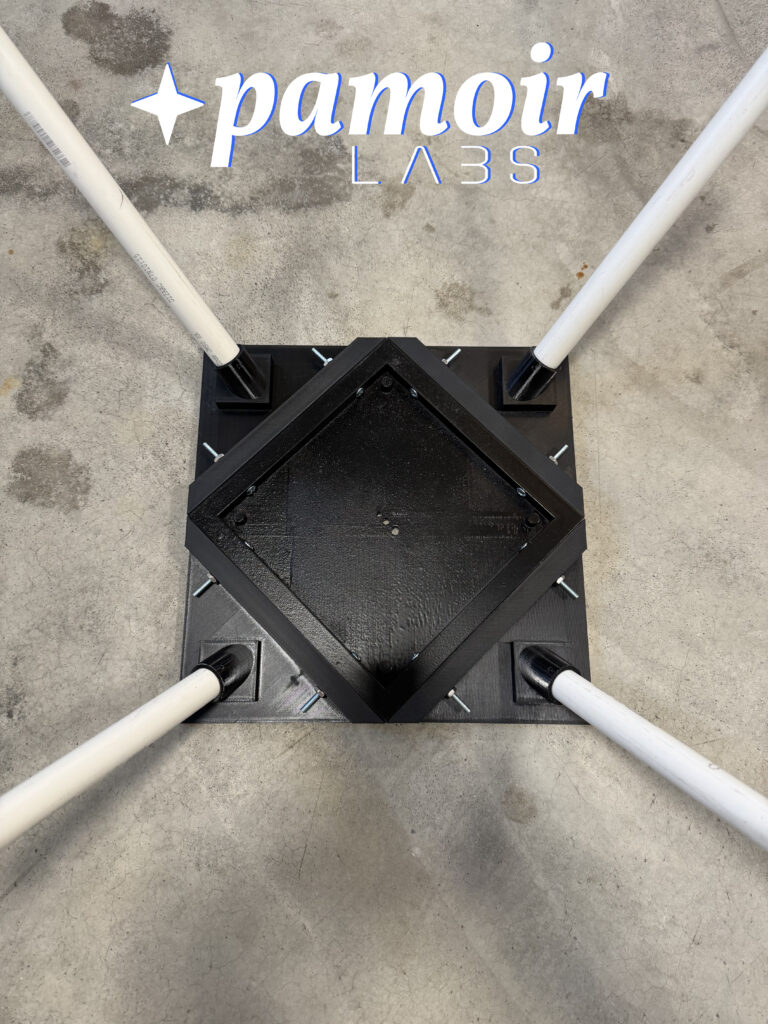
Bringing your first product to life is an exciting step – but one of the biggest decisions you’ll face early on is choosing the right production method. Do you go with rapid prototyping, which allows for quick iterations and testing, or traditional manufacturing, which is built for scale and consistency?
Both have advantages, but the best choice depends on your goals, budget, and where you are in the product development process.
What Is Rapid Prototyping?
Rapid prototyping uses modern technologies like 3D printing, CNC machining, or additive manufacturing to create models quickly and affordably. It’s designed for experimentation and validation before you commit to full production.
Benefits of rapid prototyping:
✅ Low cost for small runs
✅ Fast turnaround (often days instead of weeks)
✅ Easy to test multiple design variations
✅ Ideal for validating functionality, fit, and customer feedback
This approach is best when you’re still refining your idea or testing how your product will perform in real-world conditions.
What Is Traditional Manufacturing?
Traditional manufacturing includes methods like injection molding, casting, and large-scale machining. It’s the gold standard for mass production, offering durability, consistency, and efficiency at scale.
Benefits of traditional manufacturing:
✅ High consistency and repeatability
✅ Best for producing thousands or millions of units
✅ Lower cost per unit at high volumes
✅ Strong, durable parts suitable for commercial use
This approach makes sense when your product is finalized, validated, and ready for larger-scale distribution.
Rapid Prototyping vs Traditional Manufacturing: Key Differences
| Factor | Rapid Prototyping | Traditional Manufacturing |
|---|---|---|
| Speed | Days to produce | Weeks or months |
| Cost (small runs) | Low | High |
| Cost (large runs) | High per unit | Much lower per unit |
| Flexibility | Easy to change and iterate | Expensive to modify molds/tooling |
| Best Use | Testing, validation, small runs | Scaling, finalized products |
Which Is Right for Your First Product?
For most first-time creators, rapid prototyping is the smarter choice. It allows you to:
Test ideas without breaking your budget
Collect feedback from potential customers
Iterate quickly before committing to a final design
Once your design is proven and you have demand, you can transition to traditional manufacturing for large-scale production.
How PAMOIR Helps You Decide
At PAMOIR, we guide you through the entire process – from 3D design and rapid prototyping to preparing your product for traditional manufacturing when you’re ready to scale.
If you’re unsure which method is right for you, we’ll help you choose the most cost-effective path based on your stage of development and long-term goals.
Final Thoughts
Your first product launch doesn’t have to be overwhelming. Start with rapid prototyping to validate your idea, then move into traditional manufacturing when it’s time to grow.
👉 Ready to bring your idea to life? Contact PAMOIR today to start your journey from concept to market.