
Turning a Hobby Into a Product Brand
What if your weekend project could become your full-time business?
For thousands of creators, that is exactly what is happening. Thanks to affordable 3D printers, design software, and online marketplaces, it has never been easier for makers to turn a creative hobby into a profitable product brand from home.
Whether you are into 3D printing, crafting, or small-batch prototyping, your skills can become the foundation of a real business.
Here is how to get started.
Step 1: Identify What Makes Your Idea Valuable
Every successful product starts with a simple idea that solves a problem.
Ask yourself:
What pain point does my product solve?
Who would actually pay for it?
How is my version better, faster, or more appealing than what is already out there?
Many makers start with items they personally needed and then discovered others wanted them too. That is often the best place to begin.
Step 2: Turn Your Design Into a Prototype
Once you have an idea, the next step is to bring it to life.
If you own a 3D printer, experiment with creating rough models at home. Tools like Fusion 360, TinkerCAD, or Blender make it possible to model professional designs even if you are just starting out.
If you prefer to skip the technical side, working with a product design partner like PAMOIR can help you turn your sketch into a 3D model and functional prototype quickly.
Rapid prototyping helps you test and improve your product before spending money on mass production.
Step 3: Test, Refine, and Get Feedback
Share your prototype with friends, family, or potential customers.
Pay attention to how they use it and what they say. Small adjustments can make a big difference before you officially launch.
If you are using a 3D printer, it is easy to make small tweaks and print new versions until you get it right. This flexibility is one of the biggest advantages of starting with a 3D printing business.
Step 4: Create a Brand Around Your Product
Turning your hobby into a business means thinking beyond the product.
You will need a simple brand that tells your story and connects with customers.
Start with:
A memorable name that reflects what you do
A logo and consistent color palette
A short tagline that explains your product in one line
Keep it clean, consistent, and professional. You can always expand later as your business grows.
Step 5: Sell Your Product Online
You do not need a huge budget or a warehouse to get started.
Marketplaces like Etsy, Shopify, and Amazon Handmade are great for selling small-batch or 3D printed products directly to customers.
Use clear photos, simple descriptions, and honest details about how your product works. Many successful sellers started with just a single listing and grew from there.
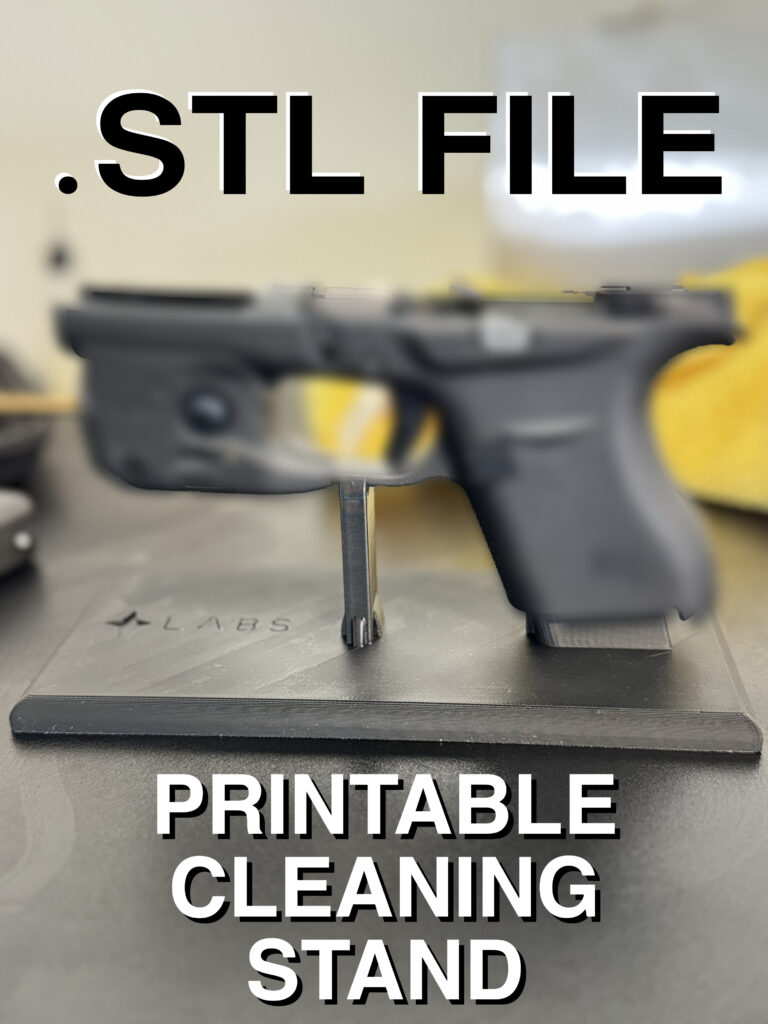
If you are selling digital STL files, include clear licensing terms and examples of the printed result to build trust with your buyers.
Step 6: Scale at Your Own Pace
Once you see steady sales and positive feedback, you can start thinking about scaling up.
This might mean investing in better equipment, hiring help, or partnering with a manufacturer to handle larger orders.
The best part about building your business this way is that you control your own growth. You can expand at your own pace without taking big risks upfront.
Why This Works
Starting a 3D printing business from home allows you to:
Validate your idea with real customers
Keep startup costs low
Test new product ideas quickly
Build a brand that reflects your creativity and values
It is a modern path to entrepreneurship that rewards innovation and self-reliance.
Final Thoughts
If you have a passion for creating, there has never been a better time to turn your hobby into a product brand.
With the right mindset, tools, and support, your first product could become the start of something much bigger.
And if you are ready to bring your idea to life, PAMOIR can help you design, prototype, and prepare for launch – so you can go from hobbyist to business owner faster than you think.